From Filler Fatigue to Fresh Starts: Dissolving Strategically and Rebuilding Volume the Right Way
The Filler Era — and Why Patients Are Moving On
There was a time when filler seemed like the answer to everything. A quick injection here, a touch there — instant lift, instant glow, instant gratification. But after years of touch-ups, many patients have started to notice something else: their faces feel different. Puffy in places that used to be sculpted. Flat where light used to hit.
Enter filler fatigue — the moment when more injections stop making things better and start making them… off.
For some, it’s subtle: cheeks that look too round, lips that seem heavy, under-eyes that feel puffy even without product. For others, it’s more noticeable — a face that looks fuller, less defined, or even older.
The good news? The fix isn’t about adding more. It’s about starting fresh — dissolving strategically and rebuilding naturally.
Understanding Filler Migration and “Filler Face”
Hyaluronic acid fillers can do remarkable things, but they aren’t static. Over time, they can migrate, especially in areas with high movement like the lips, cheeks, and under-eyes. The product slowly spreads beyond where it was placed, softening definition and distorting facial contours.
Common signs of filler migration include:
Puffiness or heaviness under the eyes
Flattened cheek definition
A “pillow-like” midface
A subtle but persistent loss of natural contour
What many people don’t realize is that filler can remain in the tissue for years, even when it seems to have “worn off.” So that fullness you’re still noticing might not be volume loss — it might be old filler that’s quietly overstaying its welcome.
Dissolving Strategically — Not Just Starting Over
When patients come in for correction, Dr. Schwarcz’s first step is precision: identifying where filler has migrated or created imbalance.
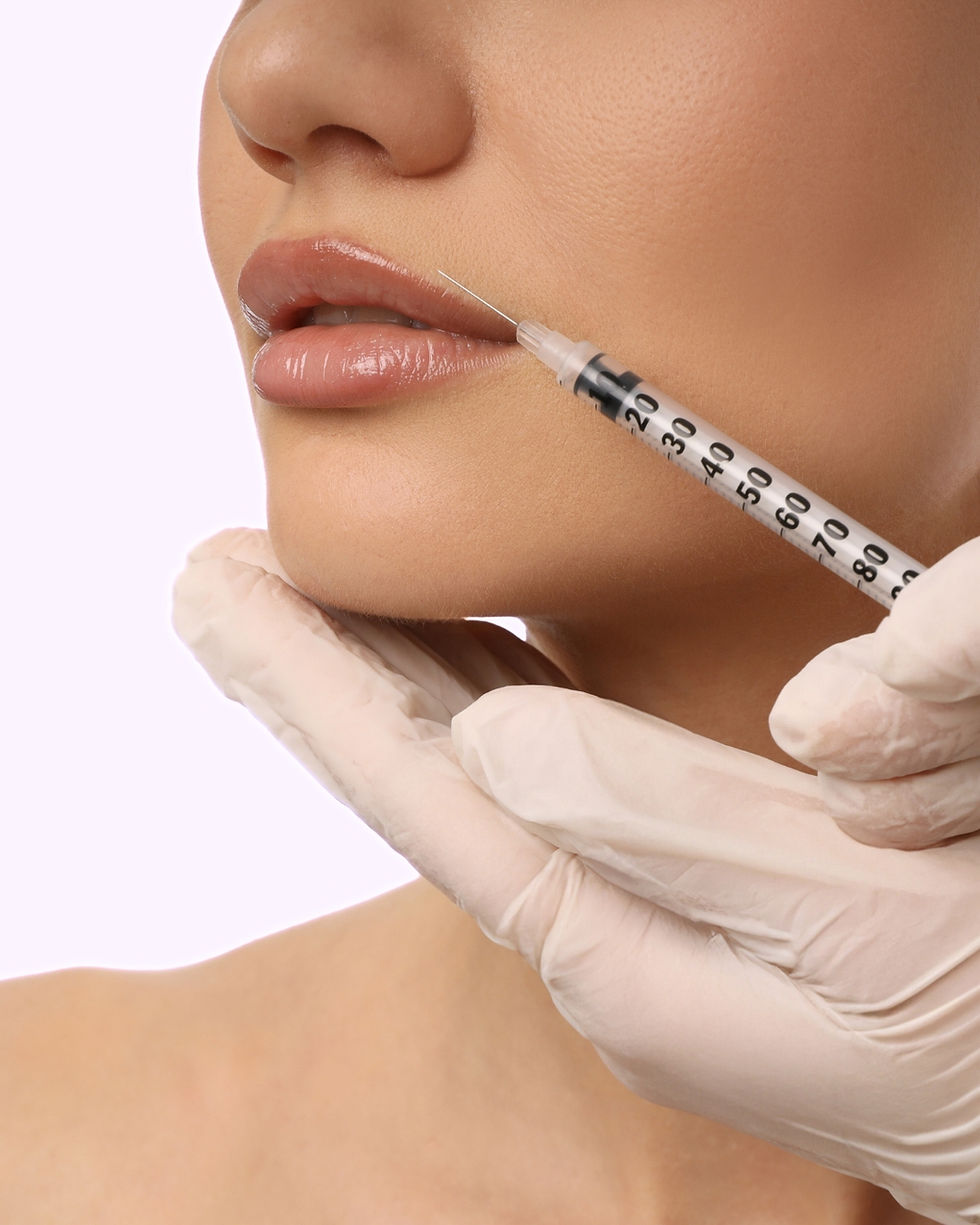
Using hyaluronidase, a safe enzyme that breaks down hyaluronic acid, he dissolves only what needs to go. Strategic dissolving restores structure and movement — it’s not about erasing everything, but about removing distortion.
After dissolving, some patients feel briefly deflated, which is normal. It’s your real facial anatomy re-emerging — the foundation for rebuilding naturally.
The goal is always proportion and harmony, not volume for volume’s sake.
Rebuilding the Right Way — Fat Grafting and Surgical Balance
Once filler has been cleared, the next step is rebuilding — but this time, with intention.
Dr. Schwarcz often uses fat grafting (also called fat transfer) to restore natural volume. Tiny amounts of your own fat are harvested from areas like the abdomen or thighs, purified, and placed with precision where subtle fullness belongs — under the eyes, along the cheeks, at the temples, or around the jawline.
Fat grafting offers distinct advantages:
It’s your own tissue, so it integrates seamlessly.
It contains regenerative stem cells, which improve skin quality.
It ages with you, maintaining a soft, natural look over time.
In some cases, surgical refinement comes first — such as a facelift or blepharoplasty — to reposition tissue before restoring volume. By lifting what has fallen and refilling only where needed, the result looks rested, structured, and naturally youthful.
This approach marks a major shift in aesthetic philosophy: structure first, volume second.
The Emotional Side of Filler Fatigue
Correcting overfilled or migrated areas isn’t just about how you look — it’s about how you feel. Many patients describe a sense of disconnect when they no longer recognize their face in the mirror. The process of dissolving and rebuilding can be emotional but deeply empowering.
For many, it feels like coming home to their own reflection again.
The Schwarcz Approach — Precision Over Trend
With more than 20 years of experience and double board certification in oculofacial and facial plastic surgery, Dr. Schwarcz approaches every face as a balance of form and light.
He doesn’t chase trends — he corrects structure. His work emphasizes:
Fat preservation and precision contouring
Natural proportions and movement
A tailored approach to each patient’s facial anatomy
Every plan is unique. For some, that means dissolving old filler and waiting before adding volume. For others, it involves subtle fat transfer or surgical refinement. The goal is the same in every case: a result that looks real, timeless, and effortless.
Recovery and Results
The recovery process depends on your treatment plan:
Dissolving filler: virtually no downtime; results visible in days.
Fat grafting: mild swelling or bruising for 1–2 weeks.
Surgical correction: approximately 7–14 days of visible recovery, depending on the procedure.
Once healed, the results evolve naturally — volume restored in all the right places, crisp definition returned, and expression preserved.
The most common feedback? “I finally look like myself again.”
The Takeaway
“Filler fatigue” isn’t a failure — it’s a turning point. It’s a chance to start fresh with a more intelligent, anatomical approach to facial rejuvenation.
By dissolving what no longer serves you and rebuilding volume with structure, precision, and natural materials, you can achieve results that are elegant, lasting, and truly you.
FAQs
What exactly is “filler fatigue”
?It’s when years of filler use lead to heaviness, distortion, or unnatural fullness that no longer flatters your face.
Can filler really migrate?
Yes — especially in mobile areas. Over time, filler can shift, spreading into nearby tissue.
How does dissolving work?
A small amount of hyaluronidase is injected into the area to safely break down hyaluronic acid filler within hours to days.
Will I look worse after dissolving?
There’s often a short adjustment period while swelling resolves, but most patients quickly appreciate how much lighter and more defined their features look.
What’s the benefit of fat grafting over new filler?
Fat grafting is permanent, natural, and regenerative. It restores soft volume without the risk of migration.
How soon after dissolving can I do fat grafting?
Usually within a few weeks, once swelling and enzyme activity have fully settled.
Request an Appointment
Robert Schwarcz is a double board-certified oculofacial plastic surgeon with more than 20 years of experience specializing in facial rejuvenation, eyelid surgery, and natural fat transfer techniques. Consultations are available at his Upper East Side Manhattan office and in Rye, NY.
Request an appointment to learn how strategic dissolving and fat restoration can help you regain balance — naturally.


